The Gold Souk in Deira is free to enter and open from around 10am to 10pm, Saturday to Thursday, with most shops opening from about 4pm on Fridays. The gold is priced by weight at the day's rate, so the only number worth haggling over is the making charge.
This guide starts with the eight best stops in and around the souk: the Spice Souk next door, the abra across the Creek, the Al Fahidi lanes on the Bur Dubai side and two places to finish the evening. Old Dubai works best as one loop on foot, starting in Deira in the late afternoon and crossing the Creek as the light drops. How gold pricing works, opening hours and how to buy without overpaying come after the list. Every pick links to a listing curated and scored from real review data.
Gold Souk
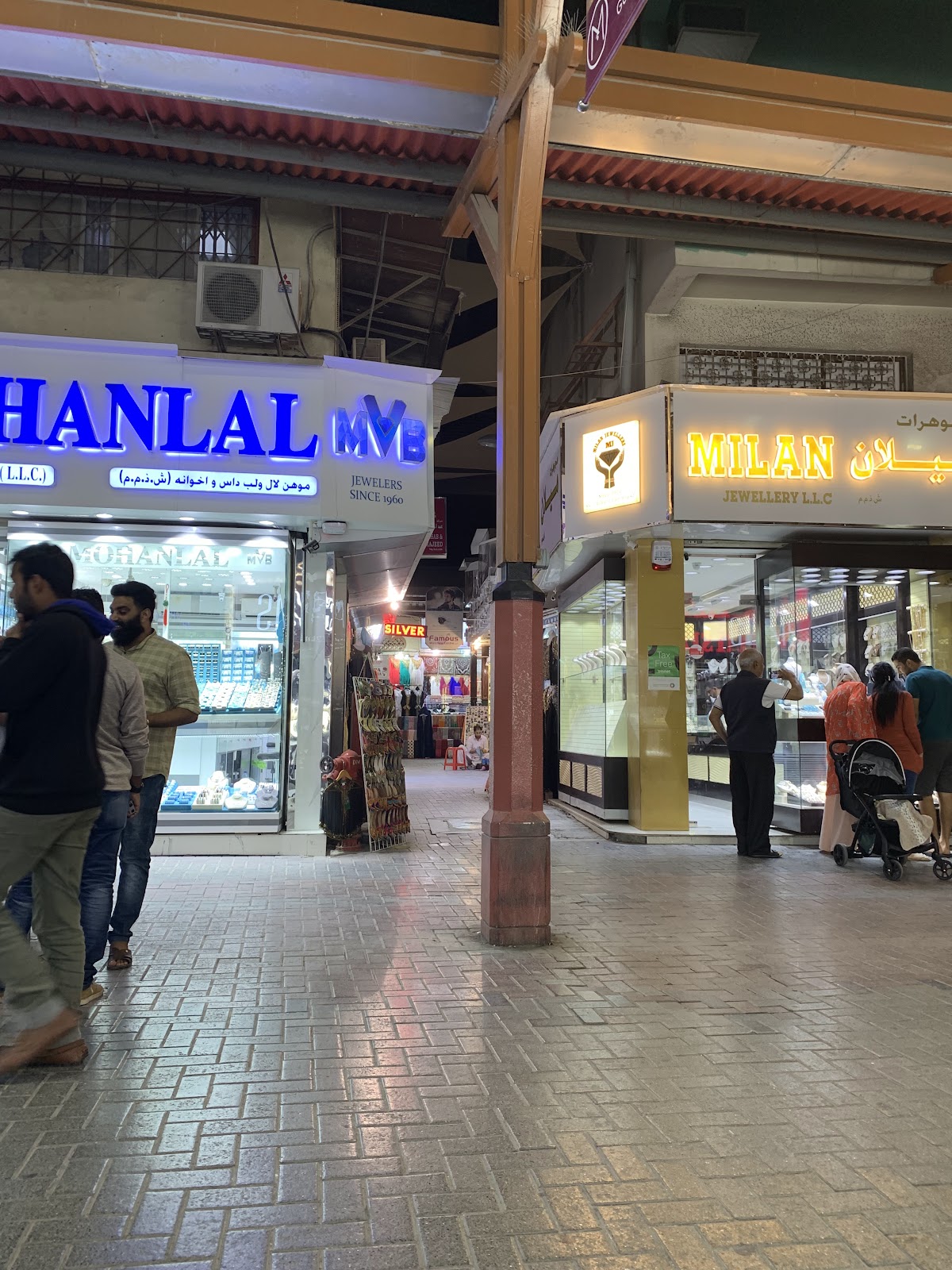
Around 300 jewellers line the covered arcade off Sikkat Al Khail Road, their windows stacked with 18, 21, 22 and 24 carat pieces, from plain bangles to the heavy bridal sets that Emirati and Indian families come here to buy. Walking it costs nothing and nobody minds if you only browse. Every shop prices gold by weight at the day's rate, usually shown on a screen inside, so the metal itself costs much the same from one jeweller to the next. The margin is in the making charge, and that is where the deal is done.
The Insider Move
Ask for the weight in grams, the carat and the making charge as three separate numbers before you talk about a total. Then negotiate the making charge only, and walk next door if it will not move.
Spice Souk
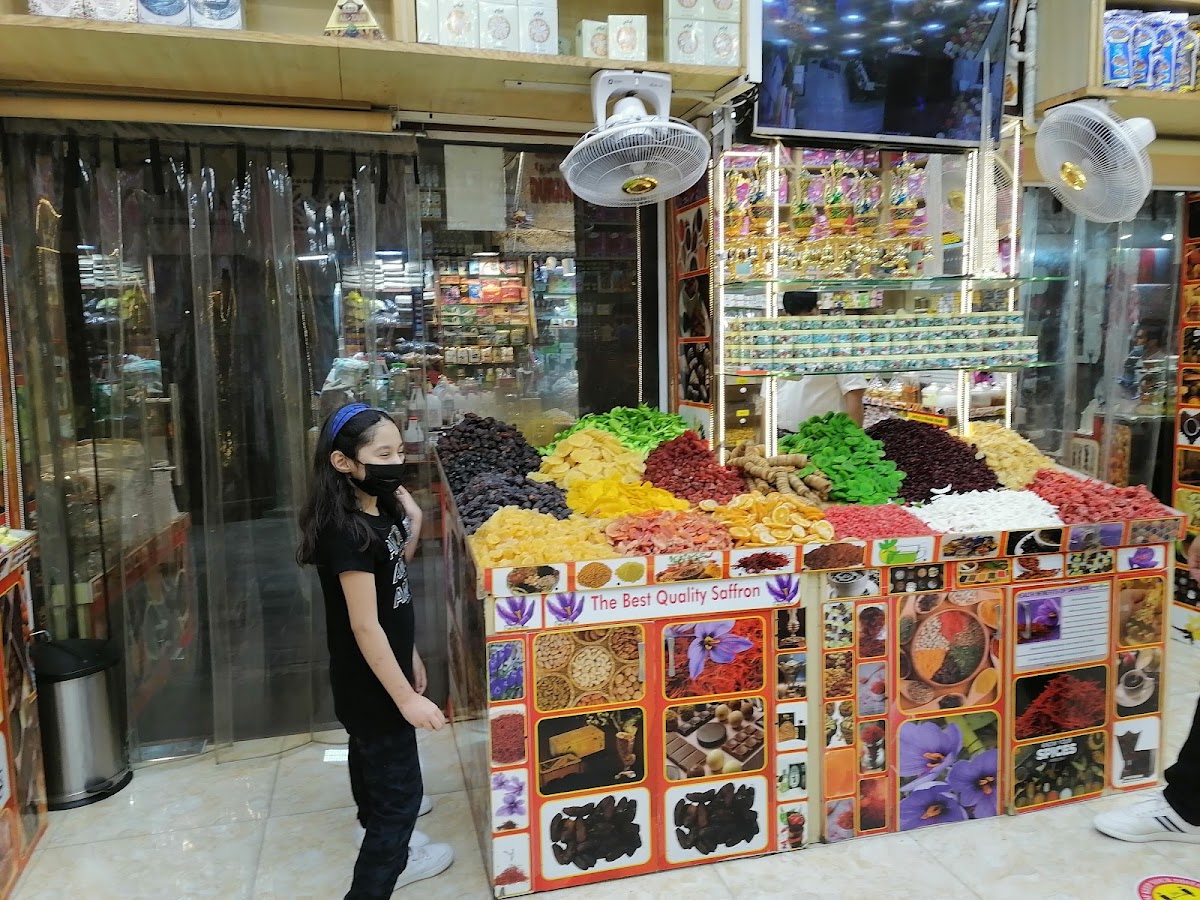
A few lanes towards the Creek from the gold, the Spice Souk sells saffron, dried limes, frankincense, rose petals and sacks of whole spices from open stalls. It is smaller than most people expect and takes about twenty minutes to walk, but it is the most photographed corner of Deira for good reason. Traders will hand you samples and try to talk you into a bag of something. That is part of the visit, not a hassle to dodge.
The Insider Move
Saffron is where visitors overpay. Buy it in a sealed packet with the grade printed on it, and treat any price that sounds too good as exactly that.
Abra Creek Crossing
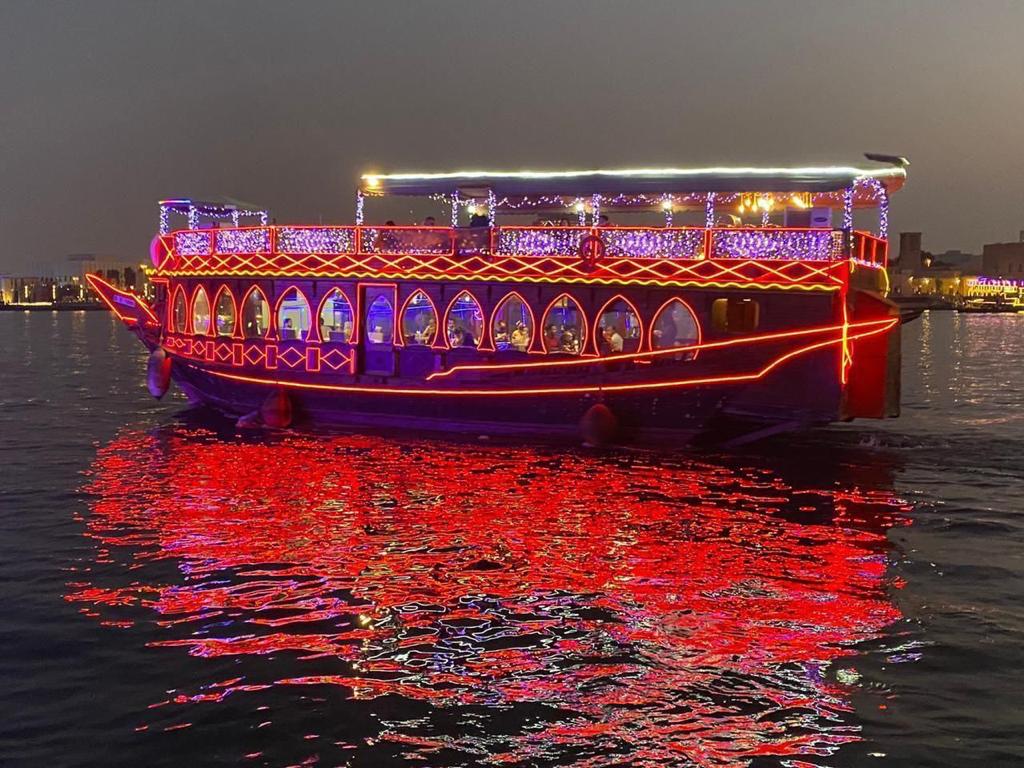
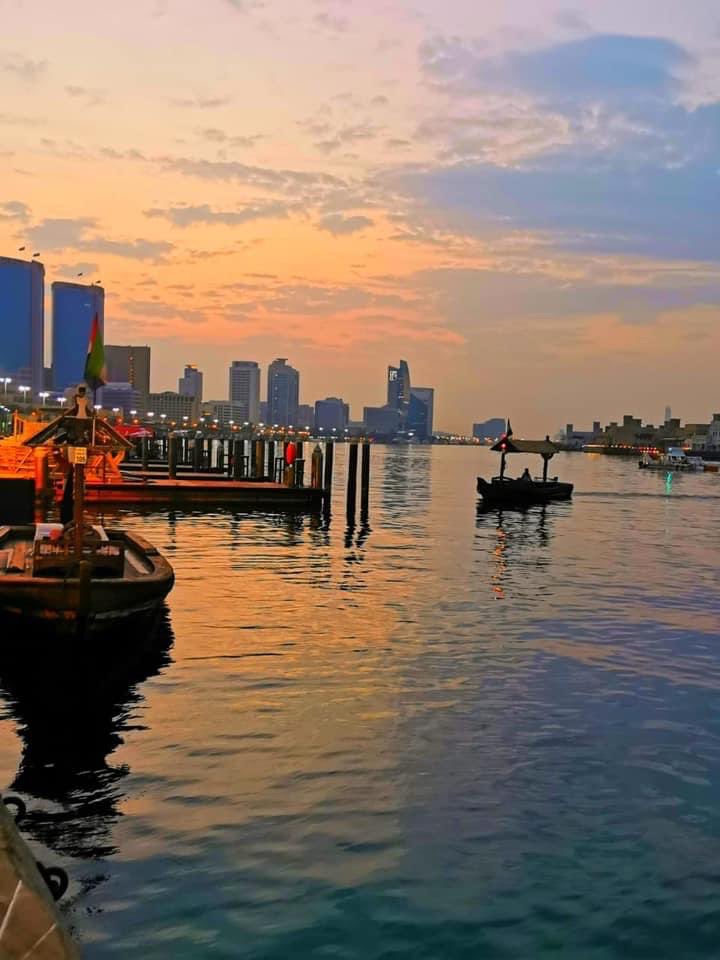
The wooden abras leave from Deira Old Souq station, a short walk from the Spice Souk, and cross the Creek to Bur Dubai in about five minutes. Boats go as soon as they fill, which rarely takes long, and the fare is a dirham or two depending on the route. From water level you see the Creek the way it was meant to be seen: dhows loading cargo on the Deira wharves and the wind towers of Al Fahidi on the far bank. Abras run from early morning until around midnight.
The Insider Move
Carry a few coins. The fare is tiny, but the traditional boats have long been cash-first and nobody wants to break a AED 100 note for you.
Al Fahidi Historical Neighbourhood
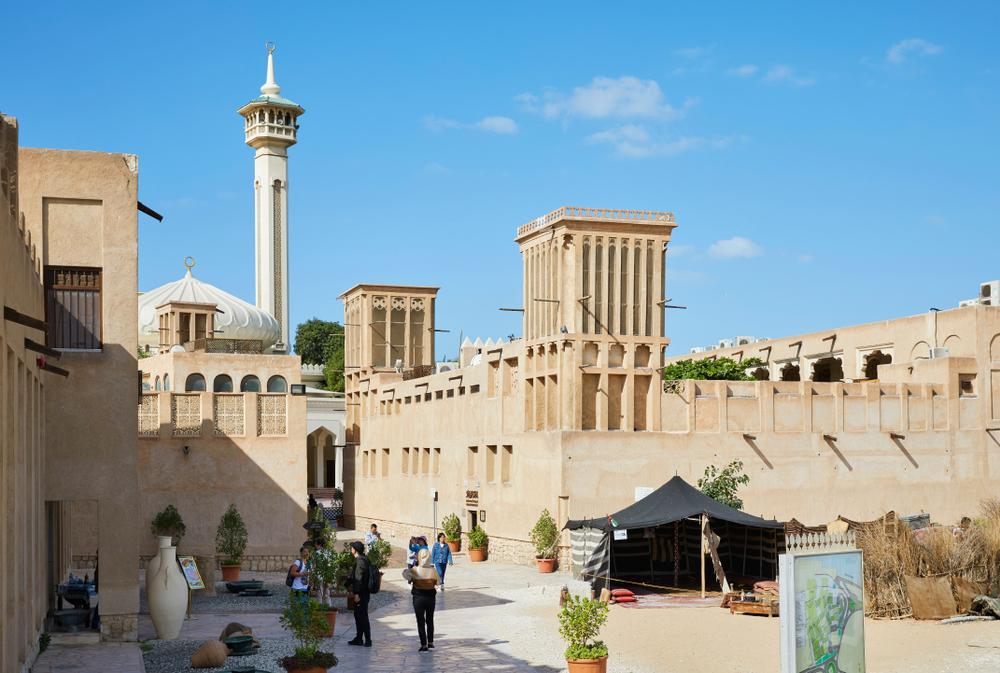
Step off the abra on the Bur Dubai side and walk five minutes inland to the oldest preserved quarter in the city, also known as Al Bastakiya. Coral-stone houses with wind towers line narrow lanes that now hold small galleries, the Coffee Museum and the Sheikh Mohammed Centre for Cultural Understanding. It is free to wander and stays quiet even on busy days. Al Fahidi Fort, home of the old Dubai Museum, has been closed for restoration since 2021 with a reopening announced for 2026, so check before you plan around it.
The Insider Move
Come in the late afternoon between October and April, when the lanes are shaded and cool enough to wander slowly instead of dashing between air-conditioned doorways.
Arabian Tea House
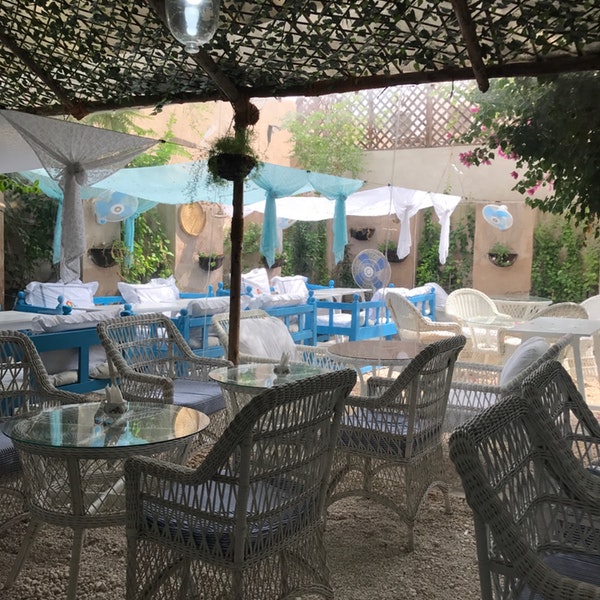
Inside Al Fahidi, the Arabian Tea House fills a restored wind-tower house and its tree-shaded courtyard. The menu is the best introduction to Emirati food on this walk: chebab pancakes, balaleet (sweet vermicelli with egg), harees, and a long list of teas and fresh juices. It opens at 7am on weekdays and 8am at weekends, so it works as breakfast before the souks as well as a break between them. The bill is a fraction of what the setting suggests.
The Insider Move
Sit in the courtyard rather than the indoor rooms, and order chebab with a pot of tea if you only try one thing.
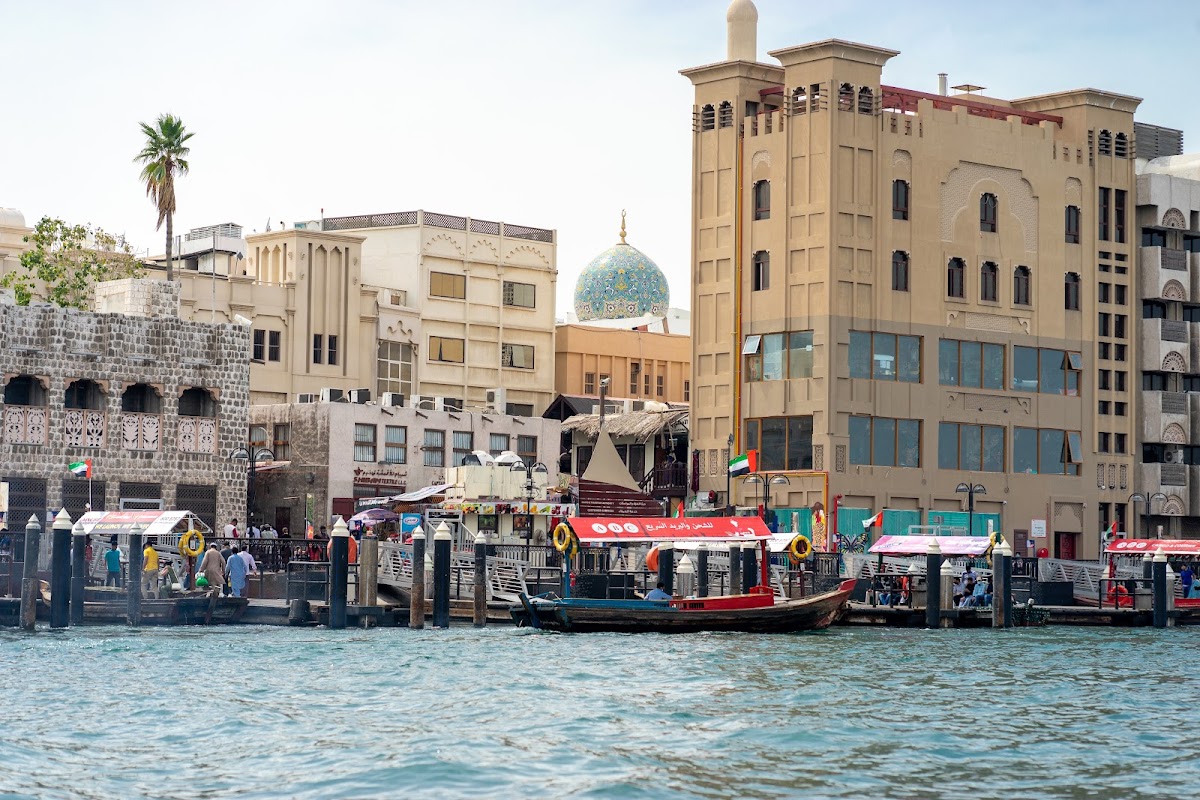
Dubai Creek Walk
The promenade along the Bur Dubai bank links the abra station, the Textile Souk and Al Seef in one flat, free walk. Wooden dhows tie up on the Deira side opposite, stacked with everything from tyres to fridges, and the abras cross back and forth in front of you. Follow it away from the abra station and you finish at Al Seef, the rebuilt heritage waterfront, with plenty of cafes and restaurants for dinner.
The Insider Move
Time it for the hour before sunset, when the light turns gold on the Deira waterfront and the dhow crews are out on deck.
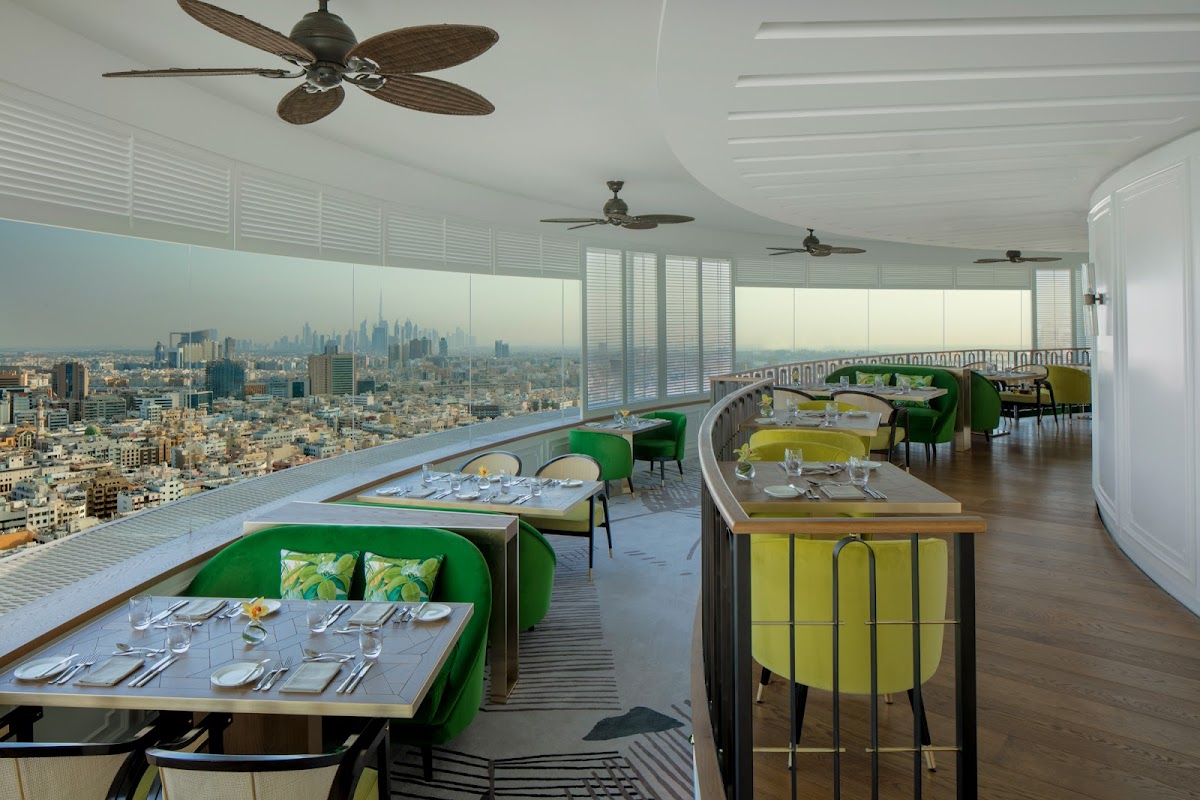
Al Dawaar
Back on the Deira side, Al Dawaar is the revolving restaurant on the 25th floor of Hyatt Regency Dubai on the Corniche. The international buffet is generous rather than fashionable. The point is the view, which turns slowly from the Gulf to the Creek and the old town you have just walked. It is the easiest sit-down dinner within reach of the souks, and it costs far less than a view like this does on Sheikh Zayed Road.
The Insider Move
Book for sunset and ask for a window table. A full rotation takes long enough to watch the city change from daylight to night.
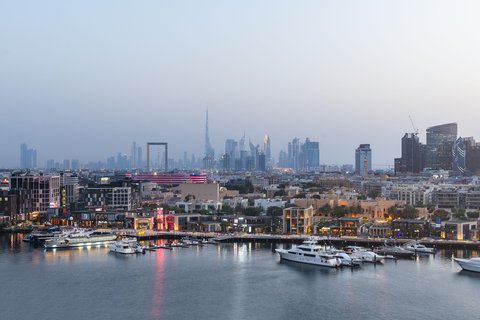
QD's
QD's is an open-air bar on the banks of the Creek at Dubai Creek Resort in Port Saeed, with the water at your feet and the skyline across it. It is relaxed rather than sceney: a resident DJ who does not drown out conversation, and drinks priced for a long evening. After a day in the souks, it is the place to sit down with a drink and still be on the Creek.
The Insider Move
It is a short taxi ride from the souks, not a walk. QD's opens at 5pm daily, so get there for sunset and a table at the water's edge.
How gold is priced at the Gold Souk
Every jeweller works from the same starting point: the day's gold rate per gram for each carat, published in Dubai every morning and updated through the day. 24 carat is close to pure gold and too soft for most jewellery, so it is mostly sold as bars and coins. 22 and 21 carat are the traditional choice for Arabic and Indian pieces, and 18 carat is harder and holds stones better, which is why most modern and diamond-set designs use it.
On top of the gold value, each shop adds a making charge for the craftsmanship. It can be a fixed amount per gram or a percentage, and it varies far more than the gold rate does: a plain chain carries a low charge, an intricate handmade piece a much higher one. This is the figure to negotiate. Sellers expect it, and a polite counter-offer backed by a willingness to walk away is completely normal.
VAT at 5% is added to jewellery at the till. Visitors from outside the GCC can usually reclaim most of it at the airport through the tax-free scheme if the shop is registered, so ask for a tax-free tag when you pay and keep the receipt with you. Investment bars and coins are taxed differently from jewellery, so ask about those separately.
Gold Souk opening hours and how to get there
Most shops open from around 10am to 10pm, Saturday to Thursday. On Fridays many stay closed until after afternoon prayers, so plan on roughly 4pm to 10pm. Each jeweller sets its own hours, and some close for a break in the early afternoon on other days too.
The Dubai Metro Green Line is the easiest way in: Al Ras and Gold Souq stations are both a short walk away. Driving is hard work, because parking in old Deira is scarce and the lanes are narrow. From Bur Dubai, the abra drops you at Deira Old Souq station, a few minutes from the Spice Souk and the gold.
October to April is the season for walking old Dubai. From May to September, go after sunset, when the souks are at their busiest and the heat is easier, and use the covered arcades to break up the walk.
How to buy gold in Dubai without overpaying
Check the hallmark. Genuine pieces are stamped with their carat, and a reputable shop will weigh an item in front of you and give a receipt that shows the weight, carat, gold rate and making charge separately. If a seller will not break those down, buy elsewhere.
Compare two or three shops before you commit. The gold rate will be almost identical, so any big gap in the total comes from the making charge or the weight. Large chains and small family jewellers trade side by side in the arcade, and both can offer a good deal.
Ignore the touts in the lanes offering copy watches and handbags. They have nothing to do with the jewellers, and selling counterfeit goods is illegal in the UAE.
Enjoyed this list?
Share it with your friends or save it for your next weekend out.